
This exact phrase, and you will get twenty agencies claiming they invented the wheel. Truth is, social media optimization services have changed more in the last eighteen months than in the five years before that. Algorithms do not reward what they used to. Bios that sat untouched for years are suddenly costing brands visibility they did not even know they were losing.
This blog walks through what SMO actually means right now, not the version from 2021 blog posts still floating around Google. You will get a clear breakdown of what proper social media optimization services do differently, the mistakes eating up budgets quietly, and how to judge whether the SMO services you’re paying for are doing anything at all.
Table of Contents
What do social media optimization services actually mean in 2026
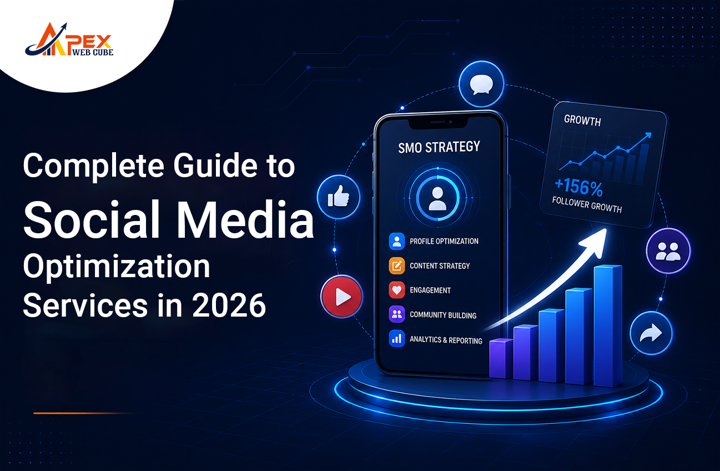
Social media optimization is not the same thing as running ads or scheduling posts. It’s the structured process of making your profiles, content, and engagement patterns work better with how platforms actually rank and distribute content today.
Platforms in 2026 lean heavily on AI-driven feed algorithms. Instagram, LinkedIn, and even X now weigh signals like watch time, save rate, and comment depth far more than plain likes. A social media optimization agency builds around these signals instead of guessing.
Here’s roughly how the process works in practice:
- A brand’s profile gets audited for bio clarity, keyword presence, and consistency across platforms.
- Content gets mapped to what each platform’s algorithm currently rewards, not what worked two years back.
- Engagement loops (replies, shares, saves) get built in deliberately, not left to chance.
- Data from each cycle feeds back into the next month’s content plan.
Honestly, a lot of agencies still sell “10 posts a month” as SMO. Real SMO services treat your profile the way SEO treats a website: structured, measured, and constantly adjusted.

Why brands are shifting budgets toward SMO services
Organic reach on most platforms has been shrinking for years; that part isn’t new. What’s changed is how people discover brands now. A growing chunk of product research happens through social search, meaning people type queries directly into Instagram or TikTok search bars instead of Google.
That single shift explains why demand for social media optimization services has jumped. Brands that ignored keyword-style optimization on their bios and captions are quietly losing visibility to competitors who didn’t.
There’s also the trust factor. Comment sections, reviews tagged in posts, and creator collaborations now function as social proof the way testimonials once did on websites. A good social media optimization agency treats these as ranking signals worth managing, not just PR extras.
Core pillars of a real social media optimization agency
Not every agency structures its work the same way, but the ones getting actual results tend to build around a similar set of fundamentals.
- Profile and metadata clarity: Your bio, keywords, pinned content, and highlights need to say clearly what you do, within the first three seconds someone lands there.
- Platform-specific content mapping: What ranks on LinkedIn does not rank on Instagram. Reels behave differently from carousels. A serious SMO services provider builds separate strategies instead of repurposing one format everywhere.
- Hashtag and keyword research: This part hasn’t gone away; it’s just gotten smarter. Tools now track which tags are actually driving discovery versus which ones are just noise from overuse.
- Engagement architecture: Replying fast, prompting saves, encouraging shares- these aren’t afterthoughts. Algorithms track them closely, and agencies that plan for them see better distribution.
- Consistency and posting cadence: Random bursts of activity confuse the algorithm’s understanding of your account. A steady, predictable rhythm performs noticeably better over three to six months.
- Cross-platform brand signals: Consistent naming, consistent visuals and consistent tone across every platform build the kind of trust that both users and algorithms respond to.
A quick comparison of how this differs from basic social media management:
Aspect | Basic Social Media Management | Social Media Optimization Services |
Goal | Keep posting consistent content | Improve reach, discovery, and conversion |
Approach | Calendar-based, repetitive | Data-driven, platform-specific |
Keywords/Hashtags | Occasionally used | Researched and tracked monthly |
Engagement | Passive, reactive | Planned, structured |
Reporting | Basic post counts | Reach, saves, click-through, conversion data |
How to pick the right SMO services for your business
There’s no shortage of agencies claiming expertise here, so it helps to know what actually separates a decent one from a mediocre one.
Ask to see real numbers from past clients, not just pretty screenshots of engagement. Any credible social media optimization agency should be comfortable showing before-and-after reach or conversion data, even anonymized.
Check whether they treat each platform differently or hand you a copy-paste calendar. If your Instagram captions look identical to your LinkedIn posts, that’s a red flag worth noticing early.
Ask how often they adjust strategy. Platforms change algorithms constantly, sometimes month to month. Agencies that haven’t updated their approach in a year are probably running on outdated playbooks.
Common mistakes brands make with social media optimization
A few patterns show up again and again, even with brands that have decent budgets. Posting without checking what’s actually resonating is probably the biggest one. Teams keep pushing the same content type because it’s easy, not because it’s working.
Ignoring bio and profile optimization is another. People obsess over captions and completely forget their bio hasn’t been updated in years, missing obvious keyword opportunities.
Chasing follower count instead of engagement quality burns budget fast. A smaller, more engaged audience converts better than a large, silent one, every single time.
How to measure success from social media optimization services

Tracking the right numbers matters more than tracking a lot of numbers. Reach and impressions tell you visibility, but save rate, share rate, and click-through to your website or store tell you whether people actually care.
Most agencies worth hiring will give monthly reports covering these, along with follower quality trends and conversion tracking tied back to actual business goals, not just vanity metrics dressed up in a slide deck.
Conclusion
Social media optimization in 2026 isn’t about posting more; it’s about posting smarter, with structure behind every profile detail, content type, and engagement pattern. The brands winning right now treat their social presence the way they’d treat a website: measured, adjusted, and built around what the platform actually rewards.
Getting this right takes ongoing attention most in-house teams don’t have time for, which is exactly where a dedicated social media optimization agency earns its cost. Apex Web Cube works with businesses looking to turn their social presence into an actual growth channel rather than a checkbox task.
FAQs
What are social media optimization services?
Social media optimization services involve structuring profiles, content, and engagement patterns so platforms rank and distribute your brand’s content more effectively, improving reach, visibility, and conversions over time.
How is SMO different from social media marketing?
Social media marketing usually focuses on paid promotion and campaigns, while SMO services focus on organic structure, keywords, and engagement patterns that improve discovery without ad spend.
Do small businesses really need a social media optimization agency?
Yes, small businesses benefit heavily since most customers now discover local brands through social search rather than traditional search engines, making structured optimization essential for visibility.
How long does it take to see results from SMO services?
Most businesses start noticing measurable reach and engagement improvements within three to four months, though full results depend on platform, industry, and consistency of execution.
Which platforms benefit most from social media optimization?
Instagram, LinkedIn, and TikTok currently see the strongest impact from SMO efforts, since their algorithms heavily weigh engagement depth and keyword relevance in profiles.
What tools do agencies use for social media optimization?
Agencies typically use analytics dashboards, hashtag research tools, scheduling platforms, and engagement tracking software to monitor performance and adjust strategy monthly.
Can SMO services help with lead generation, not just followers
Yes, done properly, social media optimization drives qualified traffic and inquiries by targeting the right audience segments rather than simply inflating follower counts.