
Three years back, a small clothing brand owner told me something that stuck. She had spent almost two lakh rupees on social media handling and got exactly four new customers in six months. Four. That’s it. She wasn’t running a bad business; her products were actually good, but the agency she hired was posting random content and calling it a strategy.
This happens more often than people admit. Choosing the wrong SMO services agency can quietly drain your budget while your competitors pull ahead on the same platforms you’re paying to ignore.
This blog will walk you through exactly what to look for, what red flags to avoid, and how to actually evaluate an agency before signing anything. No jargon, no fluff, just the real stuff that matters.
Table of Contents
What SMO Actually Means for Your Business Today
Social Media Optimization isn’t just posting pretty pictures anymore. It’s about building a presence that search engines, AI tools, and actual humans trust. Platforms like Instagram, LinkedIn, and even YouTube now function as discovery engines; people search there the way they used to search Google.
A good SMO strategy connects your brand voice, your content calendar, your engagement patterns, and your online reputation into one coherent thing. It’s less about virality and more about consistency, honestly. I’ve seen brands with modest follower counts outperform bigger accounts simply because their content answered real questions people were asking.
Why Picking the Wrong Agency Costs More Than Money
Here’s the thing nobody tells you upfront. A bad agency doesn’t just waste your ad spend; it can actually damage your brand’s credibility. Inconsistent posting, off-brand tone, ignored comments- these all send signals that your business isn’t paying attention.
There’s also a trust angle now that AI search tools are becoming part of how people discover businesses. According to recent industry analysis on agentic search optimization, AI agents are increasingly evaluating brands based on trust signals, structured content, and consistent online presence before recommending them to users. Social platforms feed directly into that trust picture. Sloppy SMO work today can hurt your visibility tomorrow, in ways that go beyond just likes and shares.
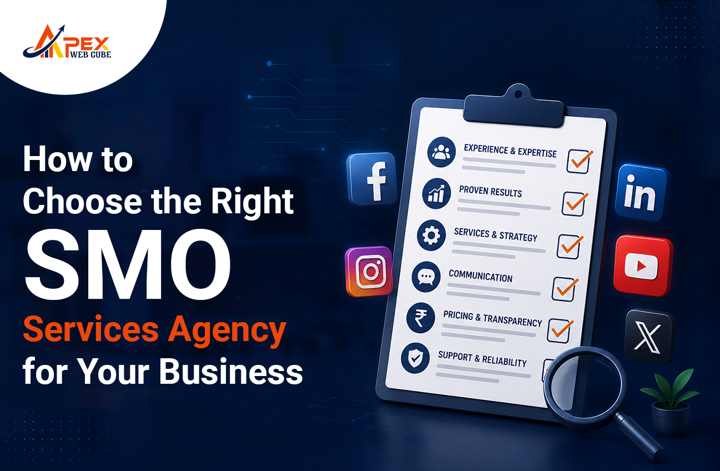
Key Things a Professional SMO Services Agency Should Offer
Not every agency calling itself professional actually delivers professional work. Here’s what genuinely matters when you’re comparing options.
- Clear reporting, not vague updates: You should get real numbers, engagement rates, reach and conversions, not just screenshots of pretty graphs with no context behind them.
- Platform-specific strategy: What works on LinkedIn rarely works the same way on Instagram. An agency offering one identical strategy across every platform is cutting corners.
- Content that reflects your actual brand voice: Generic templated posts stick out like a sore thumb, and audiences notice fast.
- Community management, not just posting: Replying to comments and messages builds trust. Agencies that ghost your audience after publishing are doing half the job.
- Transparency around tools and processes: Ask what platforms they use for scheduling, analytics, and reporting. If they dodge the question, that’s telling.
A genuinely professional SMO services provider will happily walk you through their process instead of hiding behind buzzwords.
Questions to Ask Before Signing Any Contract
Before you commit, sit down and actually interview the agency like you would a new hire. What does success look like in the first three months, and how will you measure it? Which platforms do they recommend for your specific business type, and why those? Can they share case studies or actual client results, not just testimonials written by them? How often will you get reports, and will those reports include raw data or just summaries?
Their answers will tell you more than their pitch deck ever will. A confident agency won’t dodge specifics.
Quick Comparison Table for Evaluating Agencies
Factor | Weak Agency Sign | Strong Agency Sign |
Reporting | Vague, screenshot-only updates | Detailed metrics with context |
Strategy | Same content across all platforms | Platform-specific approach |
Communication | Slow replies, unclear points of contact | Regular check-ins, dedicated contact |
Content Quality | Generic, templated posts | Brand-aligned, original content |
Transparency | Hidden processes and tools | Open about methods and platforms |
Contract | No clear deliverables | Defined scope and timelines |
Red Flags That Mean You Should Walk Away
Some warning signs are obvious once you know what to look for. Guaranteed follower counts within a fixed timeframe are one of the biggest ones; nobody can promise that honestly. Vague contracts without deliverables listed clearly are another.
Watch out, too, if they can’t explain their content strategy in plain language. If everything sounds like marketing jargon without substance, that’s usually a cover for not having a real plan. And if they’re unwilling to show you past client work or references, just walk.
How AI and Agentic Search Are Changing Social Media Optimization

This part is genuinely worth paying attention to right now. Search behavior is shifting from people manually browsing to AI agents making decisions on their behalf. These agents scan for structured data, consistent brand information, and trust signals like reviews and mentions before recommending a business.
What this means practically is that your social presence now needs to feed into a bigger trust ecosystem. Consistent business details across platforms, genuine engagement, and content that demonstrates real expertise all matter more than they used to. A quality agency understands this shift already and builds strategies that don’t just chase likes but build the kind of credibility that both humans and AI systems recognize.
Conclusion
Choosing the right SMO services agency really comes down to asking the right questions and watching for consistency over promises. Look for clear reporting, platform-specific strategy, genuine brand alignment, and transparency in how they operate. Avoid agencies making guarantees that sound too good, and always ask for real results before signing anything.
Your social presence is now part of a bigger trust signal that both people and AI systems are reading. Get it right, and it compounds. For businesses looking for guidance that actually understands this shift, Apex Web Cube works with brands to build social strategies grounded in real results, not just vanity metrics.
FAQs
What exactly do SMO services include?
SMO services typically include content planning, platform-specific posting, community engagement, performance reporting, and reputation building across social media channels to improve visibility and trust.
How is SMO different from SEO?
SEO focuses on ranking in search engines, while SMO focuses on building presence, engagement, and trust signals across social media platforms, which increasingly feeds into overall search visibility too.
How long before I see results from an SMO services agency?
Most businesses see meaningful engagement growth within two to three months, though building strong brand trust and consistent visibility usually takes four to six months of steady work.
Are professional SMO services worth it for small businesses?
Yes, especially now, since customers and AI-driven search tools both look at social proof and consistency before trusting a small business over competitors.
What should I ask an agency during the first consultation?
Ask about their reporting process, platform strategy, past client results, and how they measure success beyond just follower counts or likes.
Can a bad SMO services agency actually hurt my brand?
Yes, inconsistent posting, ignored comments, and off-brand content can damage trust and make your business look neglected, which affects both customer perception and online credibility.
Does social media activity affect how AI tools recommend businesses now?
Increasingly, yes, AI-driven search and recommendation systems weigh consistency, trust signals, and reputation across platforms, so active and credible social presence matters more than before.