
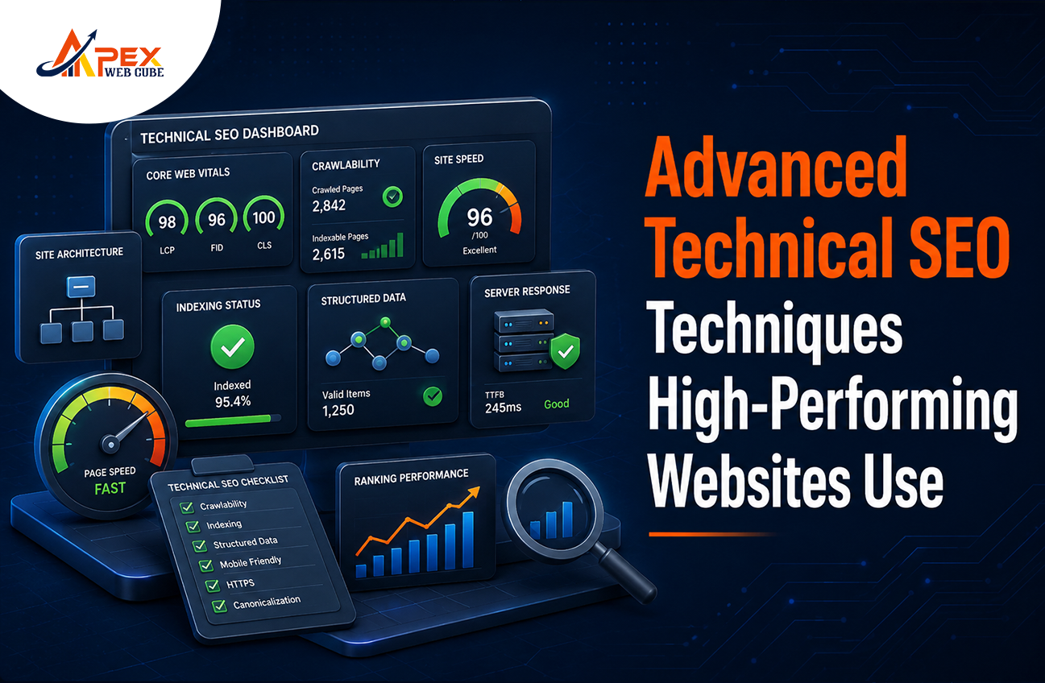
Advanced Technical SEO Techniques High-Performing Websites Use

expert technical seo solutions

A single second of delay in mobile page load speeds can drop your digital conversion rates by over twenty per cent. When you scale that math across millions of monthly digital impressions, simple server delays quickly transform into millions of dollars in lost corporate revenue. Most modern business owners spend their marketing budgets chasing flawless blog copy or building high-volume backlink profiles, yet they constantly find themselves stuck on page two of search listings. The hidden bottleneck is almost always a gap in their underlying architecture. High-performing digital platforms do not just publish good content; they build flawless engineering networks that allow search engine spiders to map, process, and index their pages within a fraction of a second.

Securing expert technical seo solutions has become the baseline requirement for brands that need to maintain dominance across modern AI-driven search landscapes. When search engine algorithms shift from reading surface-level keywords to processing complex structural code relationships, your backend setup must work perfectly. This advanced engineering manual covers the exact structural frameworks, server-side data policies, and rendering protocols that the world’s most successful websites use to dominate their digital niches. You will discover exactly how to optimise your crawl infrastructure, fix hidden data loops, and build a blazing fast, future-proof framework for your business.

Edge SEO and Serverless Code Deployment

leading technical SEO expertise

The traditional method of executing backend changes requires your internal development team to modify your core database framework directly. This old process often causes serious delays, especially when dealing with heavy legacy platforms or rigid content management systems that take weeks to update. Elite platforms bypass this entire leading technical SEO expertise bottleneck by deploying advanced serverless code scripts right at the network edge.

Using edge networks means your optimisation scripts execute inside global distribution servers before your website data ever reaches a user’s browser or a search engine spider. This framework allows technical teams to implement instant, server-side changes without touching the primary website source code. For instance, you can automatically inject localised schema tags, fix broken server response codes, or set up precise redirect patterns instantly. This cutting-edge agility prevents your backend system from slowing down during high-traffic seasons, making it an essential tactic for modern enterprise scaling.

Master JavaScript Rendering Formats

Modern web design relies heavily on complex JavaScript frameworks to build beautiful, highly interactive user experiences. While these complex visual frameworks look stunning to human visitors, they often create massive indexation traps for standard search engine crawlers. Search engines have to perform a multi-stage process to read JavaScript, which involves downloading the raw code, waiting for available cloud processing power, and then rendering the final visual elements. This extra step means your newest landing pages can sit unindexed in a backend queue for weeks.

High-performing platforms solve this issue by implementing Client-Side Rendering workarounds or switching entirely to advanced server-side data delivery models.

Dynamic Delivery Pipelines

This advanced approach detects the exact identity of whoever is requesting to view your page. If a human visitor clicks your link, your server delivers a highly interactive client-side experience. If a search engine bot requests the same link, your server immediately delivers a pre-rendered, static HTML version of the page. This ensures search engines can read one hundred per cent of your content, links, and schema elements instantly, without wasting precious cloud processing power on complex visual animations.

Incremental Static Regeneration

This strategy allows large enterprise domains to pre-render thousands of static pages ahead of time while updating individual sections in the background only when data changes. It delivers the blazing-fast load speeds of a basic text site alongside the deep functional capabilities of a dynamic, live database system.

Log File Analysis and Strategic Crawl Management

Every single time a search engine spider visits your business website, it leaves behind a highly detailed digital footprint inside your server log files. These raw logs provide an undisputed record of exactly which pages the bots visited, how much time they spent there, and what exact technical errors they encountered along the way.

  • Isolating Wasted Processing Energy: Reviewing raw server files helps you pinpoint exactly where search engine crawlers are burning through your limited crawl allowance on useless tracking parameters, old cart pages, or accidental redirect loops.
  • Tracking Bot Behaviour Trends: Monitoring log files reveals exactly how quickly search spiders discover your newest content updates, allowing you to catch server drops before they hurt your public keyword positions.
  • Finding Hidden Server Timeouts: Traditional tracking dashboards often miss random, intermittent server drops that only happen when multiple search engine spiders crawl your product database at the same time.
  • Eliminating Orphan Assets: Log data highlights high-value TECHNICAL SEO Services India pages that search spiders never visit because they lack a single internal link path from your main homepage navigation.

Precision Schema Networks for AI Engine Processing

Structured data implementation usually stops at adding basic product prices or local business contact details. High-performing digital platforms build deeply connected networks of nested schema structures that explicitly explain the real-world relationships between your brand, your authors, your products, and your target industry.

This deep level of data alignment is incredibly vital now that search engines rely heavily on automated AI response blocks to answer user queries directly. By using precise node identifiers within your source code, you prevent search engines from having to guess what your content means. You can explicitly state that Author X is an established industry expert who wrote Document Y, which addresses Topic Z for Brand A. Providing this level of absolute structural clarity turns your website into a highly trusted source of factual truth, helping your content get pulled directly into premium AI search summaries.

Fix Silent Redirect Chains and Internal Path Loops

As a successful corporate website grows over several years, it inevitably accumulates hundreds of old link redirections. When your internal marketing team alters main category paths or deletes old product versions without auditing your past link paths, you create invisible redirect chains that drain your server performance.

A redirect chain occurs when a user clicks a link for Page 1, which redirects to Page 2, which then redirects to Page 3. Human visitors might only notice a tiny pause, but search engine spiders view this extra hop as a massive waste of resources. If a search bot hits too many connected hops in a row, it will simply stop following the path, leaving your final landing page unexamined. Cleaning up this digital clutter requires running deep crawler crawls to map out every single internal link, ensuring that every asset on your site points directly to its final, live destination with a clean server response code.

Real-World Case Study: Overhauling an Enterprise E-Commerce Platform

To see the real power of advanced architectural engineering, consider the transformation of an international fashion retailer that was struggling with massive indexation drops. The brand possessed a massive catalogue of over eighty thousand products, but their organic search visibility was declining month after month despite a multi-million-dollar content budget.

An in-depth log file analysis revealed that search engine crawlers were spending over seventy per cent of their daily crawl budget on automated sorting URLs created by colour and size filters. The spiders were burning through their server allowances on duplicate product listings, leaving thousands of their primary, high-margin product pages completely unvisited for months at a time.

The engineering team resolved this systemic issue by deploying custom edge server scripts that instantly blocked search bots from accessing parameterised filter paths, while implementing clean canonical tags across all product variants. They also moved their heavy JavaScript frameworks to a dynamic server-side rendering model.

The results were spectacular. Within two weeks of pushing these clean code changes, search engines successfully indexed every single primary product page. This structural cleanup triggered a forty-five per cent surge in organic sales revenue within a single quarter, proving that clear code paths are just as vital as great product designs.

Advanced Core Web Vitals Optimisation

Core Web Vitals

The standard approach to improving site speeds usually involves basic image compression or installing a generic caching plugin. High-performing websites take speed engineering to a much deeper level by actively restructuring how a visitor’s browser processes code.

This involves manually splitting heavy JavaScript bundles so that only the essential code required to read the top section of a page load first. All supplementary scripts, like live chat widgets or tracking analytics pixels, are delayed until after the user scrolls down the page. Furthermore, engineers use advanced pre-fetching directives to instruct browsers to quietly download the next logical page in the background while a reader is still finishing the current paragraph. This level of technical care drops your page load times down to milliseconds, providing a seamless browsing experience that keeps both human customers and search engines completely happy.

Future-Proofing Your Structural Search Architecture

To ensure your corporate platform maintains its search dominance as digital trends evolve, review this definitive checklist of advanced engineering principles before launch:

  • Code Modernisation Must Lead Your Strategy: Relying on simple, automated plugins to handle enterprise architecture adds dangerous code bloat that slows down your mobile load speeds.
  • Crawl Allowances Require Constant Protection: Every single line of code in your sitemaps must guide search engines toward unique, high-value commercial destinations rather than broken script variations.
  • Dynamic Frameworks Must Be Pre-Rendered: If your business website relies on modern JavaScript to show content, you must use server-side rendering to remain visible to search algorithms.
  • Strategic Regional Partnerships Maximise Value: Securing premier, international programming talent allows growing companies to execute deep database overhauls without inflating their corporate overhead.

Conclusion

Building a high-performing digital platform requires a relentless focus on backend structural cleanliness and efficient code delivery. By looking past surface-level marketing tactics, embracing advanced serverless edge solutions, and auditing your log files regularly, you ensure that search engines can easily index your commercial content. When your business is ready to secure elite technical infrastructure upgrades and eliminate complex backend bottlenecks, partnering with a premier provider that delivers leading technical SEO expertise, such as a specialised TECHNICAL SEO Services India firm like Apex Web Cube, will ensure your digital brand scales effortlessly to maximise your long-term organic revenue growth.

FAQs

What are the main benefits of using expert technical seo solutions for enterprise websites?

Expert solutions ensure that your entire website architecture is perfectly optimized for rapid search engine crawling and indexation. This advanced work removes deep code bloat, repairs broken redirect paths, manages your global crawl budgets efficiently, and eliminates duplicate content loops. This structural care directly leads to higher keyword rankings, increased organic traffic, and far better user conversion rates on mobile devices.

Why do high-performing websites prioritize server-side rendering over client-side frameworks?

Client-side rendering forces search engine spiders to use their own cloud processing power to read and render your website’s JavaScript code, which can cause severe indexation delays. Server-side rendering delivers a fully formed, clean HTML page directly to search engine bots instantly. This ensures that one hundred percent of your content, internal navigation links, and structured data are read and indexed during the very first visit.

How does edge SEO allow developers to implement changes without altering core source files?

Edge SEO uses global server distribution networks to run custom serverless optimization scripts right before your website data reaches a browser or search spider. This framework allows technical teams to implement instant, server-side changes like injecting schema markup, fixing broken link paths, or adjusting server headers instantly, completely bypassing long internal development cycles and rigid database setups.

What business insights can you uncover by running a deep server log file analysis?

A comprehensive log file analysis shows you the exact digital footprint left behind by search engine crawlers on your domain. It reveals precisely which pages are being crawled too often, where your limited crawl budget is being wasted on duplicate tracking links, what hidden server timeout errors are hurting your authority, and which high-value service pages are being completely ignored by search spiders.

How does advanced structured data help a website rank in modern AI search engine results?

Advanced structured data uses precise entity identifiers inside your source code to explain the real-world connections between your brand, your authors, your products, and your industry. Providing this clear, organized data network prevents AI search engines from having to guess what your text means, making it much easier for your content to be pulled directly into premium AI answer blocks and summaries.

What is a redirect chain and why is it considered a major structural risk?

A redirect chain happens when a link points through multiple successive hops before finally reaching the live page, such as Page 1 leading to Page 2, which then loops to Page 3. While human visitors might only notice a slight pause, these extra hops waste your search engine crawl budget. If a bot hits too many consecutive hops, it will abandon the path completely, leaving your final landing page unindexed.

Why is investing in TECHNICAL SEO Services India highly beneficial for global businesses?

Partnering with an established firm in India allows international brands to access world-class web engineering talent, advanced database administrators, and certified programmers at a highly competitive rate. Because regional operational costs are lower, these specialized teams can dedicate significantly more manual developer hours to analyzing your log files and rebuilding your JavaScript code than Western agencies can offer for the same investment.

How often should a dynamic e-commerce website clean its technical indexation paths?

Dynamic e-commerce sites should monitor their search indexation stats weekly and run a comprehensive, top-to-bottom technical audit at least once a quarter. Because inventory changes, product deletions, and search filter variations constantly generate new tracking URLs, regular maintenance is vital to prevent duplicate code loops from trapping search engine spiders and tanking your rankings.

Leave a Reply

Your email address will not be published. Required fields are marked *